
Wine Industry
Australian wine exports have fallen to their lowest volume in more than two decades. Canada is the exception. In the year to September 2026 it bought 70 million litres of our wine, 14% more than the year before, and it is now our fourth-largest market by value.
How the empty shelf happened
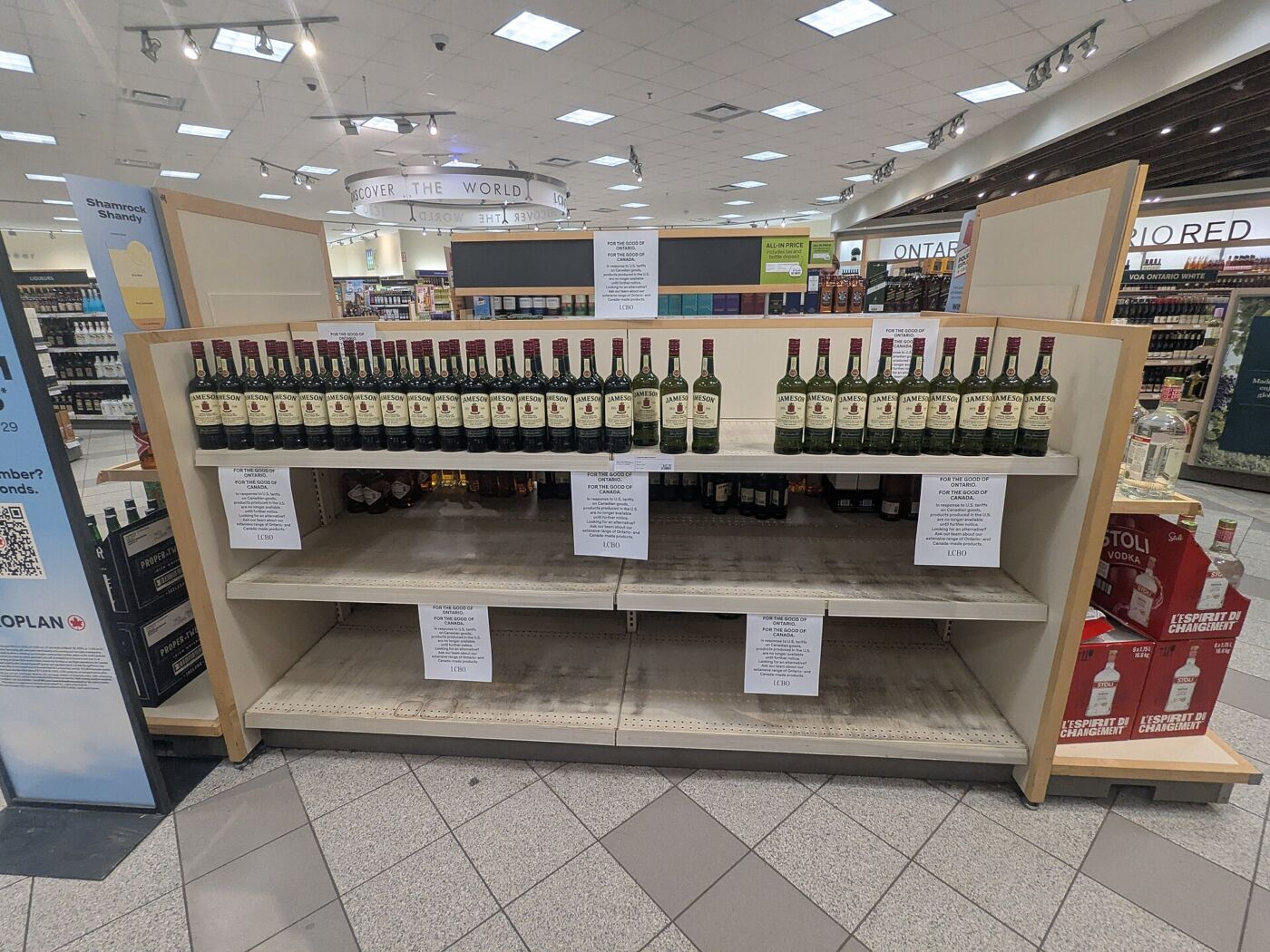
In March 2025, Ontario’s liquor board, the LCBO, pulled American alcohol from its shelves in response to US tariffs on Canadian goods. Quebec, British Columbia, Manitoba and most other provinces took similar steps. Almost overnight, a lot of shelf space was empty, and buyers needed something to fill it.
Australia was ready. Wine Australia figures show export value to Canada rose 20% to A$188 million in the year to June 2026, the highest level in seven years. The latest report, for the year to September, puts it at A$185 million, up 12%. The same report has total Australian exports down 7% to A$2.25 billion, and the United States, once our most reliable buyer, down 28% to A$219 million.
What Canadians are buying
Red is doing the heavy lifting. Still red wine shipments rose 15% in value over the year, led by Cabernet Sauvignon. Still whites grew 8% and rosé 21%. Growth came at both ends of the price range: wine shipped at under A$5 a litre and wine at A$5 a litre or more each rose by about 15% in volume.
The retail picture is sharper again. Wine Australia’s retail data shows Australia’s share of wine sales in Ontario growing from 6% to 9%, with Australian Cabernet volumes there up more than 70%. Wine Australia says Shiraz and Chardonnay follow Cabernet, with buyers also asking for lighter, fresher reds, sparkling wine and wines that carry a clear sense of region.
Much of this is South Australian. The SA Government says three quarters of the wine sold in the LCBO’s Australian section comes from this state, and SA sales to Canada rose 15.6% in the five months after the American wine came off the shelf.
Why the gains are not guaranteed
Canada is a liquor board market. In most provinces a government retailer decides what goes on the shelf, so a few buyers in Toronto, Montreal and Vancouver can move millions of litres with one listing decision. That works in our favour while American wine is off the shelf. It will work just as quickly in the other direction once it returns.
The picture is already uneven. Alberta resumed American imports in mid-2025, and several Atlantic provinces were selling American stock again by early 2026. Ontario has held firm. In August its Finance Minister said US alcohol would return to LCBO shelves only once a trade deal was done. When talks with Washington broke down later that month, Manitoba pulled its remaining American stock again and Saskatchewan announced a 50% levy on American alcohol.
Wine Australia’s own reading is cautious. It notes that growth in Canada slowed over the most recent six months, although volumes in the June and September quarters were still above the year before.

Turning a listing into a habit
The producers doing well are using the empty shelf to get their wines tasted. Over the past two years buyers from the Ontario, Quebec and British Columbia liquor boards have visited Australian regions through inbound programs. Wine Australia credits those visits, along with in-market tastings and staff training, with 177 new liquor board listings.
“When the regional story and provenance are understood, the category lifts quickly,” says Matt Fowles of Fowles Wine. Mark Ramm of Angove Family Winemakers puts it more simply: “Canada is a market with deep goodwill toward Australian producers.”
That goodwill is the asset worth protecting. Canadians who first picked up a Coonawarra Cabernet because the Napa bottle was missing will only keep buying it if they liked what was in the glass. Price got Australia onto the shelf twenty years ago, and the hangover from that era still colours how some markets see us. The opportunity in Canada is different: to be known for regional wines with a story, at a fair price, before the American bottles come back.
What it means at home
For South Australian producers, Canada is now one of the few export markets moving in the right direction, and it is moving on the back of our signature grape. For drinkers here, it is a useful reminder of what the rest of the world values in our wine: Cabernet with a sense of place, Shiraz from regions with a name, and a growing taste for fresher, lighter styles.
Those are the wines we like to pour, too.
Sources
- Wine Australia, Export Report, 12 months to September 2026, as reported by Vinetur, 22 October 2026.
- Wine Australia, Export Report media release, 12 months to June 2026.
- Wine Australia, “Australian wine builds momentum in Canada”, 21 May 2026.
- Premier of South Australia, “SA capitalises on Canadian wine ban”, media release.
- CP24, “Our resolve is firm: Ontario has no plans to return U.S. booze to LCBO shelves”, 5 August 2026.
- Atin Ito, “To shelve or not to shelve: How the American alcohol response varies widely by province”, September 2026.
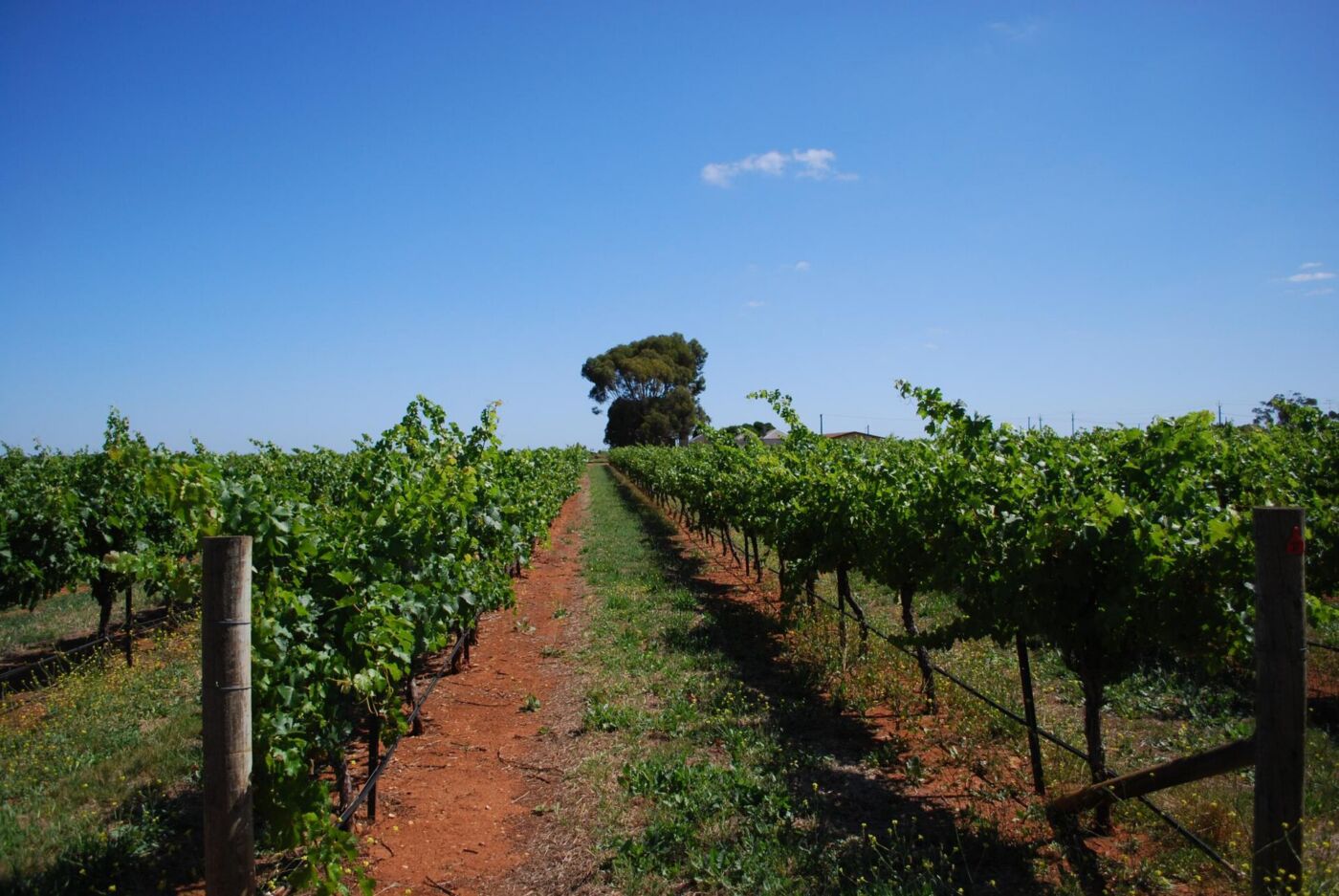
- Featured image: Wynns Coonawarra grapevines, Alpha, CC BY-SA 2.0, via Wikimedia Commons. All photos resized for web.
Taste the Canadian favourite
Try Australian Cabernet alongside the French classics at Bar Septimus, 220 Grenfell Street, Adelaide East End, open Thursday to Monday.